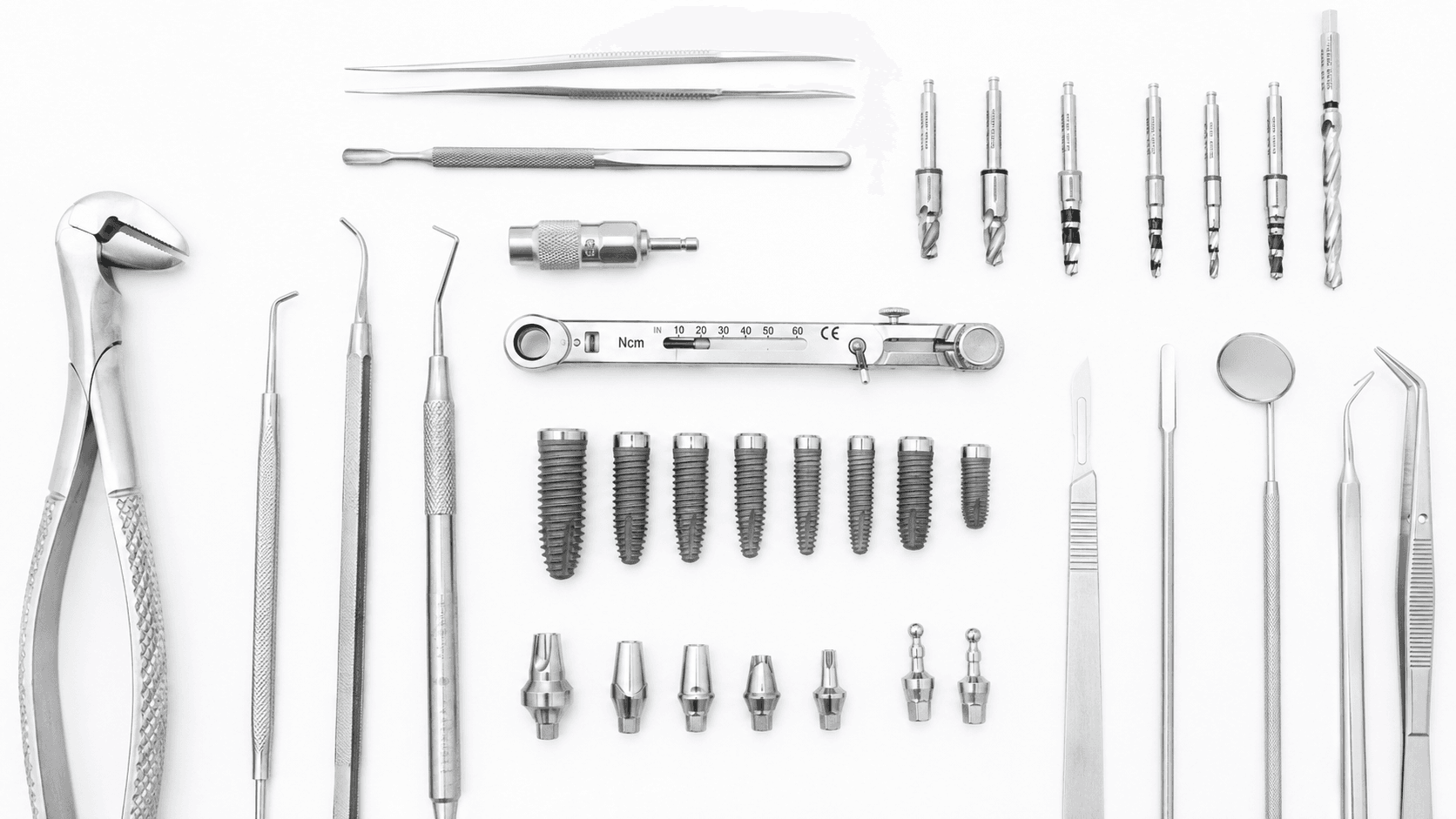
Short answer: For immediate loading, aim for an insertion torque of 35 to 45 Ncm and an ISQ of 70 or higher. If the numbers fall short, delay loading or keep the restoration out of occlusion. Rigidly splinted full-arch cases spread the load better than a single posterior tooth.
The Temptation of "Same-Day Teeth" in Modern Clinical Practice
Walk through any major dental exhibition or conference trade hall in India, and you will see aggressive marketing campaigns promoting "Immediate Functional Loading" and "Permanent Teeth in 72 Hours." For private practitioners, the commercial pressure is immense: patients no longer want to wait 4 to 6 months without teeth while osseointegration occurs.
However, when general dentists attempt immediate loading without mastering the strict mechanical and biological thresholds, the failure rate spikes dramatically. An implant placed with 20 Ncm torque that receives immediate occlusal forces does not osseointegrate—it develops fibrous encapsulation, starts spinning at week 4, and must be explanted.
Here is the objective clinical breakdown of the biomechanical parameters required before you safely connect a provisional restoration on Day 1.
The Biological Golden Rule: The 100-Micron Threshold
To understand immediate loading, you must separate Primary Stability (mechanical interlocking of titanium threads in bone) from Secondary Stability (biological new bone formation around the titanium oxide surface).
Seminal histologic research by Cameron and Brunski demonstrated that during the initial 2 to 4 weeks post-placement, if microscopic shear motion at the bone-implant interface exceeds 100 to 150 microns, osteoblasts cannot differentiate. Instead, mesenchymal cells form a fibrous scar tissue capsule around the fixture.
Immediate loading does not mean zero movement; it means reducing functional micro-motion to below 50 to 100 microns until secondary biological stability takes over.
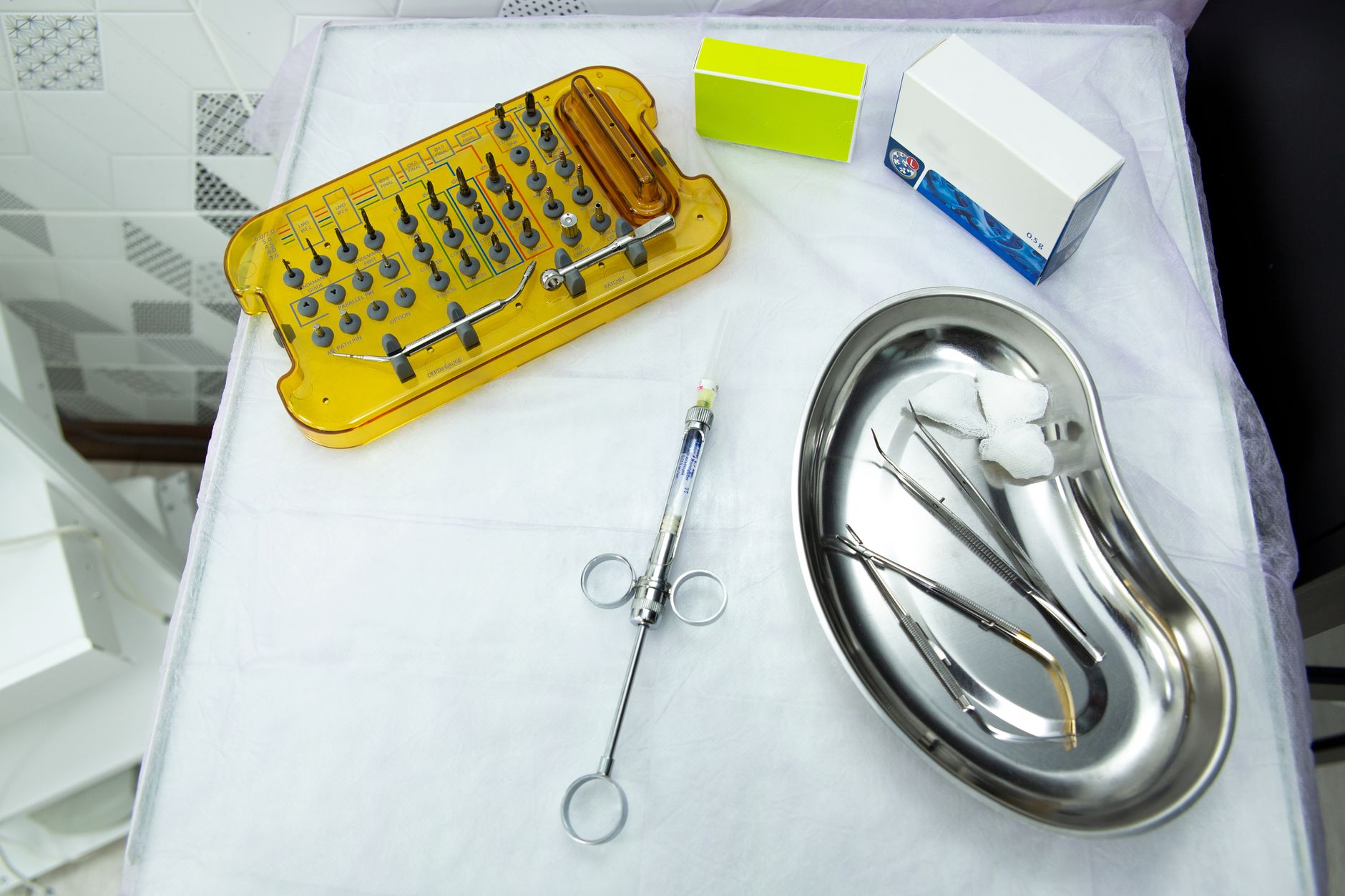
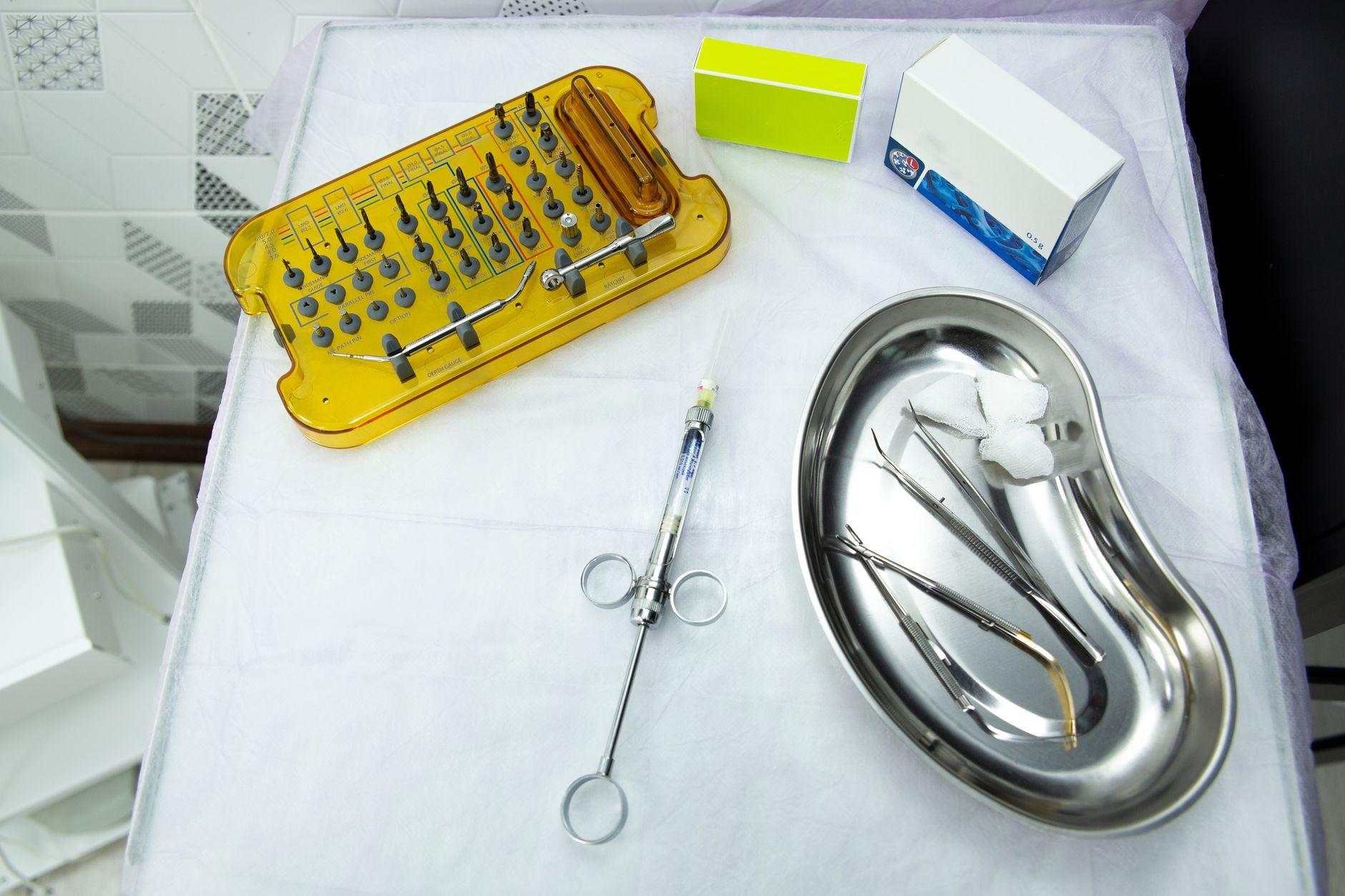
Calibrated insertion torque monitoring on the surgical console gives objective numerical validation of initial primary stability.
Insertion Torque vs ISQ: What The Numbers Actually Mean
Many clinicians rely solely on hand-feel or surgical motor insertion torque (IT). While insertion torque measures rotational frictional resistance during placement, it does not assess lateral stiffness. That is why modern implantology combines IT with Resonance Frequency Analysis (RFA) to yield an Implant Stability Quotient (ISQ):
| Metric | Immediate Loading Threshold | Clinical Meaning | Protocol If Below Threshold |
|---|---|---|---|
| Peak Insertion Torque | ≥ 35 to 45 Ncm | Sufficient mechanical friction to prevent rotational displacement | Submerge fixture or place healing abutment; delay loading 8–12 weeks |
| ISQ (Resonance Frequency) | ≥ 70 ISQ (in all 4 vectors) | High lateral bone stiffness, minimal micro-movement risk | If ISQ < 65, keep out of occlusion or transition to conventional protocol |
| Maximum Safe Torque | ≤ 50 to 55 Ncm | Exceeding 60 Ncm causes micro-fractures and bone compression necrosis | Back out fixture by 2 turns, tap osteotomy or gently widen crestal cortex |
Bicortical Anchorage: The Surgical Key in Soft Bone
In the posterior maxilla (D3 and D4 bone), achieving 35 Ncm with standard drilling protocols is nearly impossible. The spongy trabecular bone yields under pressure.
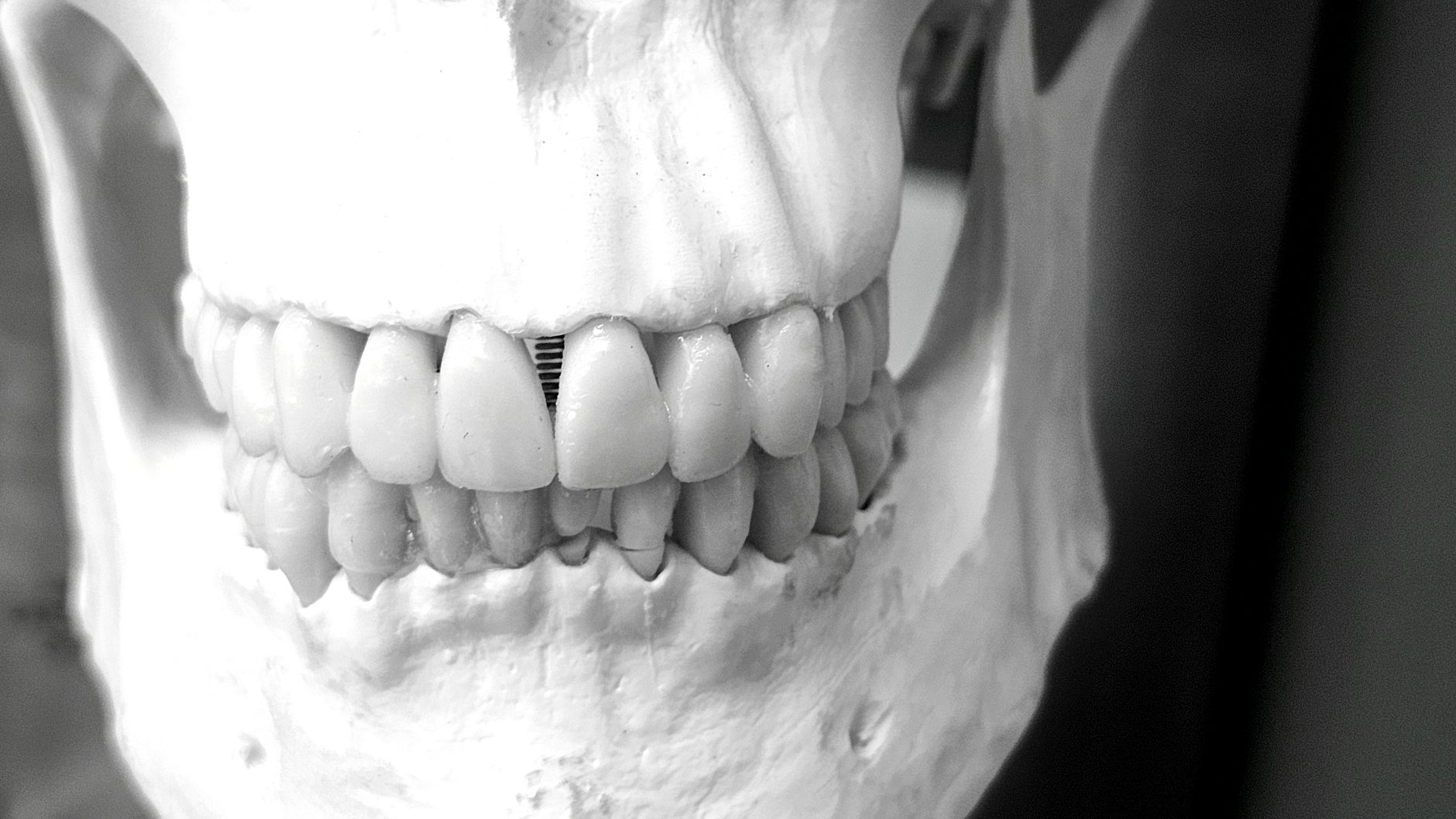
Engaging the dense nasal floor or sinus cortex provides dual-plate mechanical anchorage for immediate loading.
To safely immediately load maxillary or thin-ridge cases, surgeons utilize Bicortical Engagement:
- Nasal Floor Engagement: In the anterior maxilla, engaging the dense cortical bone of the nasal floor with the implant apex yields high torque even when the coronal ridge is soft.
- Pterygomaxillary Fixation: In the atrophic posterior maxilla, anchoring the 15–18 mm fixture through the maxillary tuberosity into the dense cortical plates of the sphenoid bone ensures immediate 45+ Ncm torque.
- Stepped Undersizing Technique: In D4 bone, omit the final shaping drill. For example, prepare a 3.8 mm implant site using only a 2.8 mm drill, utilizing bone condensing osteotomes to compact the trabeculae laterally.
Cross-Arch Splinting vs Single-Tooth Restorations
A critical rule taught inside our NABH surgical operatory at Global Dental Education is the fundamental distinction between single-unit and full-arch immediate loading:
Rigid cross-arch splinting distributes masticatory vectors, preventing destructive micro-motion.
- Full-Arch Cases (All-on-4 / All-on-6): Highly predictable for 72-hour fixed bridges. Because 4 to 6 implants are cross-arch splinted with a rigid CAD/CAM titanium or chrome-cobalt framework, masticatory loads are distributed across all fixtures. Even if one posterior fixture has 32 Ncm, the collective arch stability protects it.
- Single Posterior Teeth: High failure risk if loaded immediately. A single molar receives 400 to 800 N of direct vertical and lateral shear force during mastication. In single posterior restorations, always choose Immediate Non-Functional Provisionalization (keep the temporary crown completely out of centric occlusion and canine guidance) or use a healing abutment.
The 4-Step Complication Protocol When Torque Drops Below 25 Ncm
What should you do intra-operatively if you place an implant and the torque wrench slips at 20 Ncm?
Real patient surgical mentorship teaches clinicians how to calmly execute chairside rescue protocols.
- Do NOT Force a Provisional Crown: Connecting a tooth to an unstable fixture guarantees 100% failure. Inform the patient honestly that biology requires a protected 8-week healing period.
- Back Out and Increase Diameter: If you placed a 3.75 mm fixture and felt poor resistance, back it out immediately and place a 4.2 mm or 4.5 mm wider-diameter fixture of the same length to engage virgin lateral bone walls.
- Deepen the Osteotomy by 2 mm: If apical bone is available, advance your drill 2 mm deeper to achieve apical cortical engagement.
- Submerge with Primary Closure: If torque remains low, place a low-profile cover screw, verify that the soft tissue flap achieves tension-free primary closure over the fixture, and let the bone heal submerged for 12 weeks.
Mastering Surgical Implants on Living Patients
You cannot develop surgical tactile judgment for insertion torque by drilling into plastic foam blocks in hotel ballroom workshops. True clinical mastery comes from feeling the differential resistance of D1 cortical bone versus D4 soft trabeculae in living human patients under experienced surgical supervision.
At Global Dental Education in Visakhapatnam, our 5-Day Intensive Hands-On Program and 3-Month Residential Surgical Fellowship train you inside an active NABH-accredited hospital. You perform 3D CBCT case selection, osteotomy preparation, and live surgical placements alongside Dr. Saikrishna Mohanty (10,000+ implants placed).
Review our 6 surgical curriculum modules, view our upcoming training batches and schedules, or contact our faculty desk on WhatsApp to discuss your surgical goals.