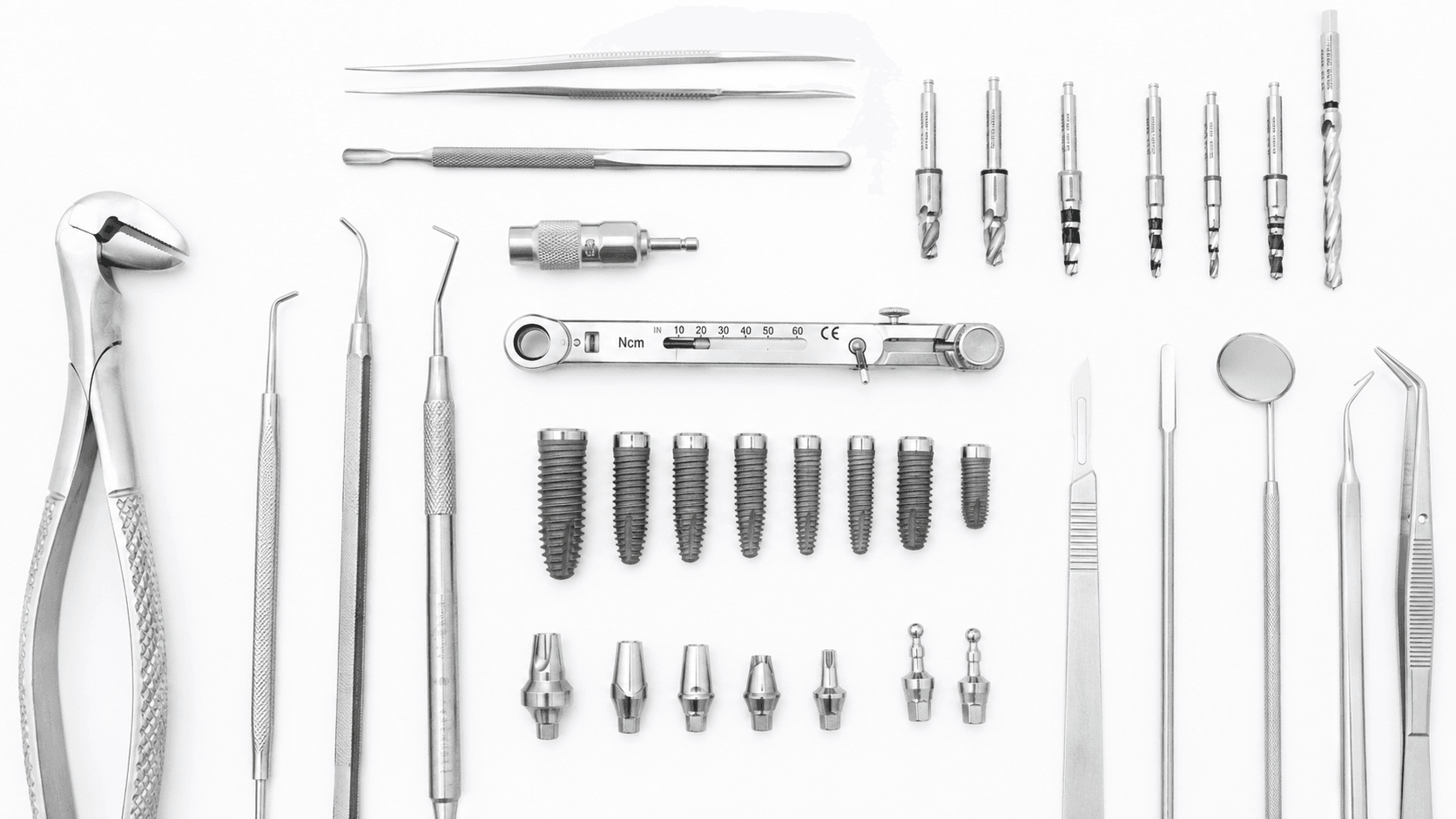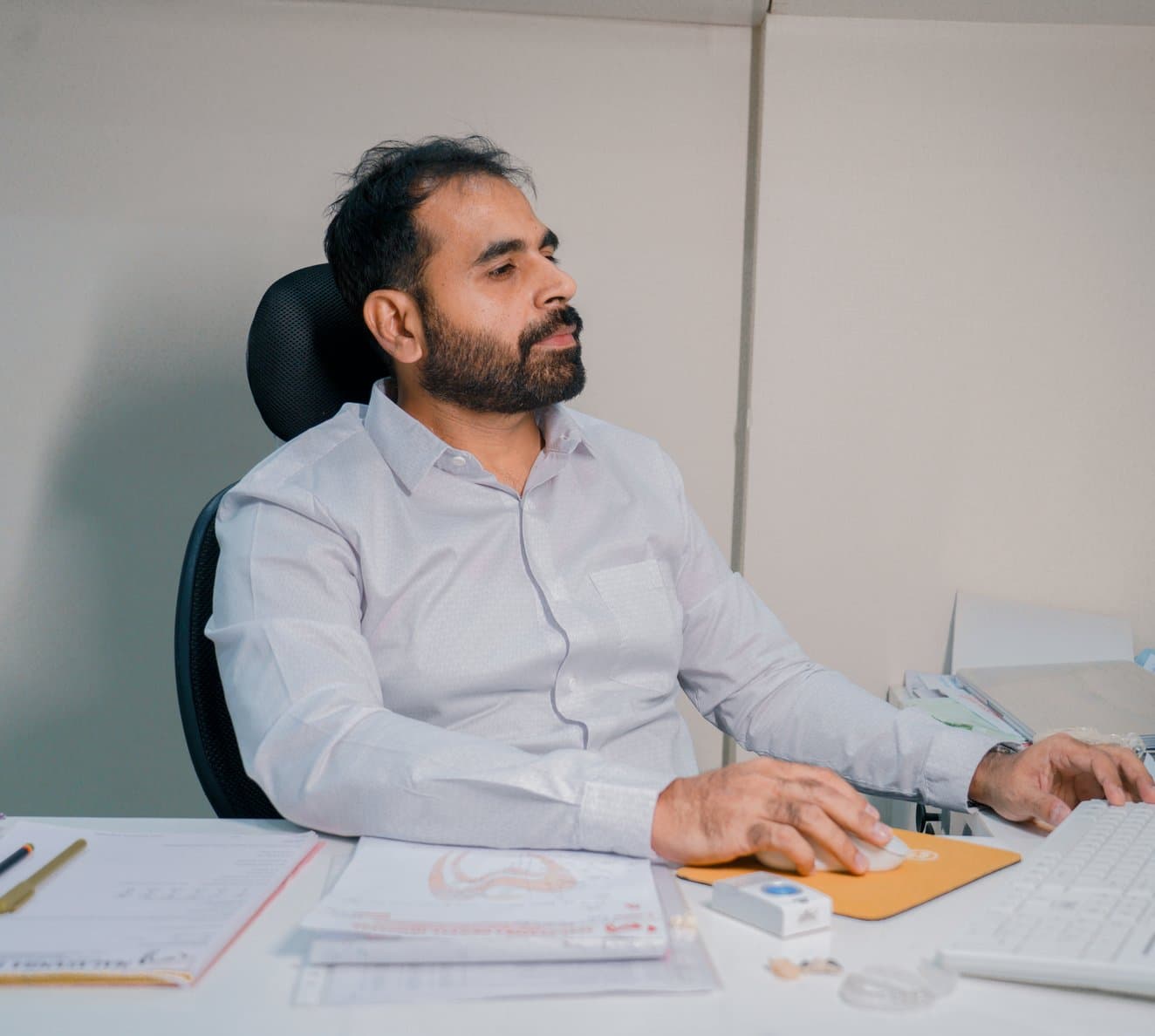
My journey into implantology began with a strong interest in surgical dentistry and in finding solutions for patients with challenging clinical situations. As my experience grew, I wanted to go beyond conventional implant treatment and develop the skills needed to manage severely resorbed and complex cases — the kind of cases where a standard implant simply isn't an option because there isn't enough bone left to place one.
Moving Beyond Conventional Implantology
Around five years ago, I began incorporating advanced techniques such as zygomatic and pterygoid implants into my clinical practice. The motivation was simple: to be better prepared to tackle situations where conventional implant placement isn't possible — patients with severe bone loss who would otherwise be told there was nothing more that could be done for them. These are techniques most general practitioners never see taught outside a handful of specialist centres in India, and they've become a real part of how I now approach complex, full-mouth rehabilitation cases.
Why I Don't Teach From a Textbook
I combine surgical precision, prosthetic planning, and digital dentistry in every case I take on — but none of that is something you learn by reading about it. Implantology is best learned not only from textbooks and lectures, but by understanding real patients, real surgical situations, and real-time clinical decision-making. A textbook can describe a complication. It can't teach you what it feels like to manage one, under time pressure, on an actual patient, with a treatment plan you have to adjust in the moment.
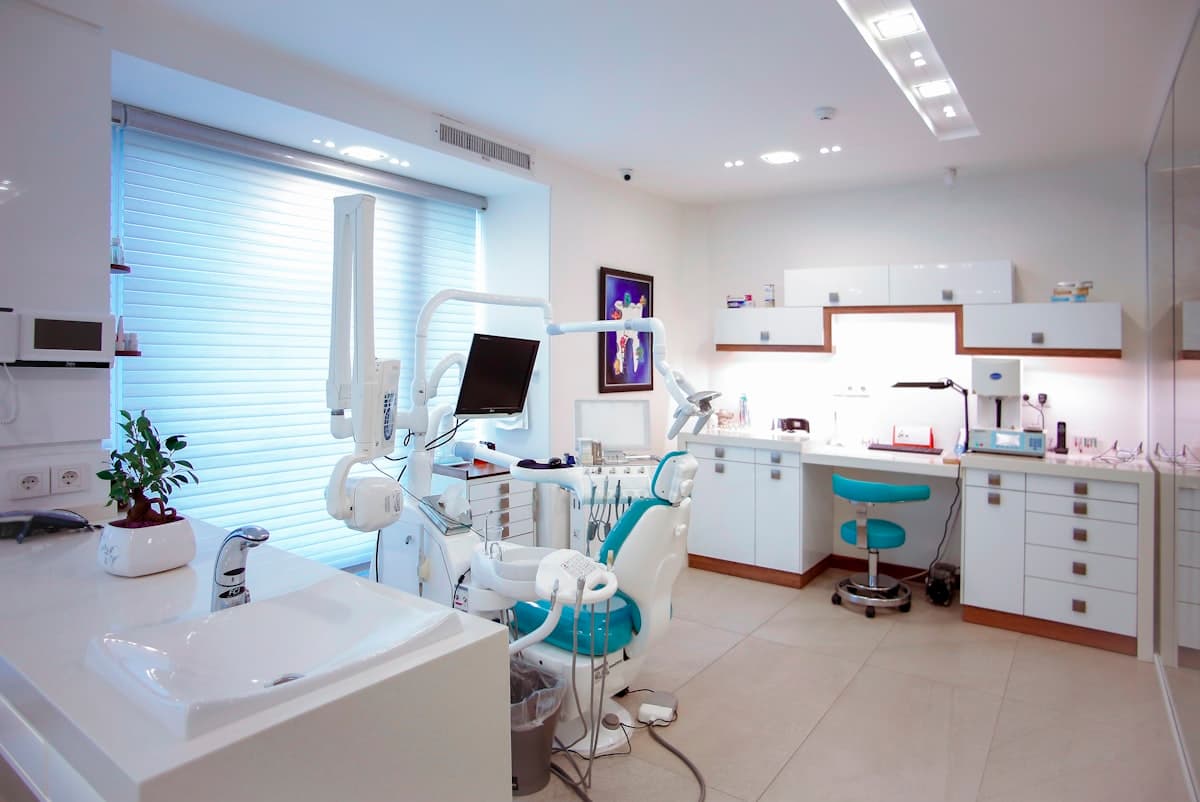
This is the philosophy behind how GDE is structured. Trainees don't watch me operate for a few sessions before being handed a model jaw — they're in the operating room from Day 1, on real cases, because that's the only environment where the judgment actually gets built.
What I'm Actually Proud Of
The most rewarding part of this work isn't simply placing an implant. It's taking a genuinely complex clinical situation — one with real diagnostic and planning challenges — and being able to develop a structured treatment plan that restores a patient's function and quality of life. Full-mouth implant rehabilitation cases, where diagnosis, surgical planning, digital workflow, and prosthetic execution all have to come together correctly, are where I've learned the most, and where I think training should focus.
That belief — that implant education should be clinically driven and built on direct exposure to real cases alongside sound theory — is the reason Global Dental Education exists.
Credentials
BDS, MS in Implant Dentistry, FICOI (Fellow of the International Congress of Oral Implantologists), DGCOI. 15+ years of clinical practice, 10,000+ implants placed, and — for the last 5 years — active use of zygomatic and pterygoid techniques for complex cases at NABH-accredited Malatamba Dental Hospital.