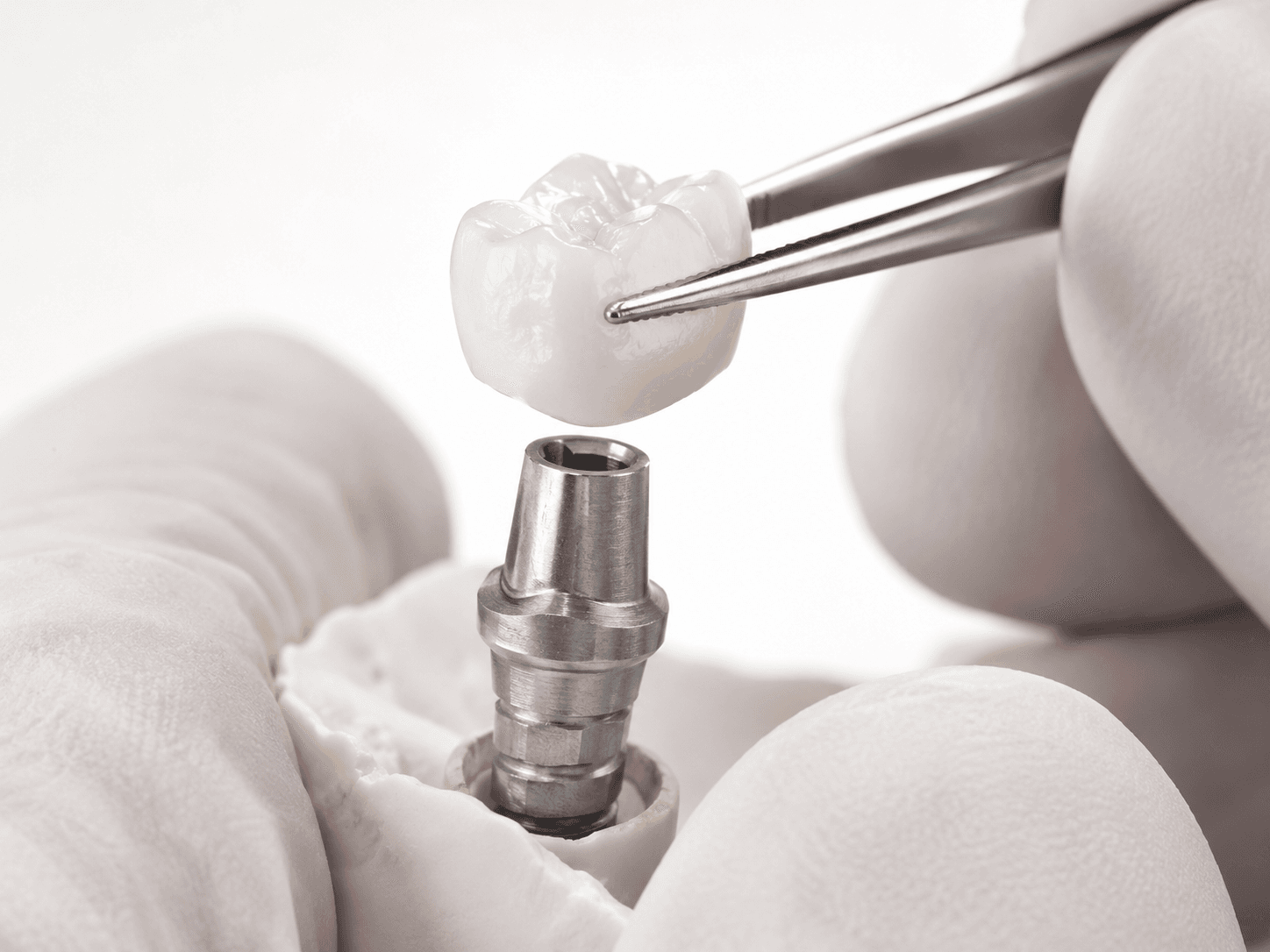
02Surgical Fundamentals
“First live patient. First incision. Supervised, safe, real.”
Overview
Module 2 is where the course becomes real. You move from models to mouths — live patient exposure begins from Day 1 of this module. You will learn flap design, drilling sequences, torque values, and suturing — then watch and assist as the mentor places implants on a real patient from your very first surgical session.
Learning Outcome
“First live patient exposure. Full surgical workflow understood and partially performed under supervision.”
Simulation teaches the motion. Live patients teach the judgment. We compress both into five days so neither is skipped.
What You Will Be Able To Do
- Design crestal, sulcular, and releasing flaps with micro-surgical tissue handling
- Execute step-by-step drilling sequences calibrated for varying bone densities without thermal injury
- Place implants with controlled torque (30–45 Ncm) and evaluate primary stability via RFA/ISQ
- Execute horizontal mattress, interrupted, and continuous sling suturing protocols
- Assist and observe live implant placement surgery directly inside the hospital OT
Day-by-Day Schedule
Day 6
Flap Design, Incision Techniques & Tissue Handling
Day 7
Osteotomy Preparation — Drilling Sequences & Bone Density Protocols
Day 8
Implant Placement — 2-Stage Technique, Torque & Primary Stability
Day 9
Suturing Techniques, Post-Op Care & Prescription Protocol
Day 10
LIVE PATIENT: Observe & Assist First Surgical Placements
Clinical Focus Areas
In-Depth Technical Competencies
Micro-Surgical Flap Design & Periosteal Release
Preserving vascular supply is essential for bone graft consolidation and soft-tissue margin stability. Clinicians master full-thickness mucoperiosteal flap elevation, tension-relieving periosteal scoring incisions, and papilla-sparing incisions to ensure aesthetic emergence.
Thermal Necrosis Prevention & Irrigation Dynamics
Bone overheating (>47°C for >1 minute) results in fibrous encapsulation. The module enforces strict intermittent drilling pressure, sequential diameter enlargement, drill speed modulation (800–1200 RPM), and high-volume external chilled saline irrigation.
Surgical Pharmacology & Post-Operative Management
Evidence-based antibiotic regimens (pre-op Amoxicillin vs Clindamycin), non-steroidal anti-inflammatory protocols, chlorhexidine 0.12% oral rinses, and emergency intervention protocols for surgical hemorrhage and flap dehiscence.
Surgical & Diagnostic Kit
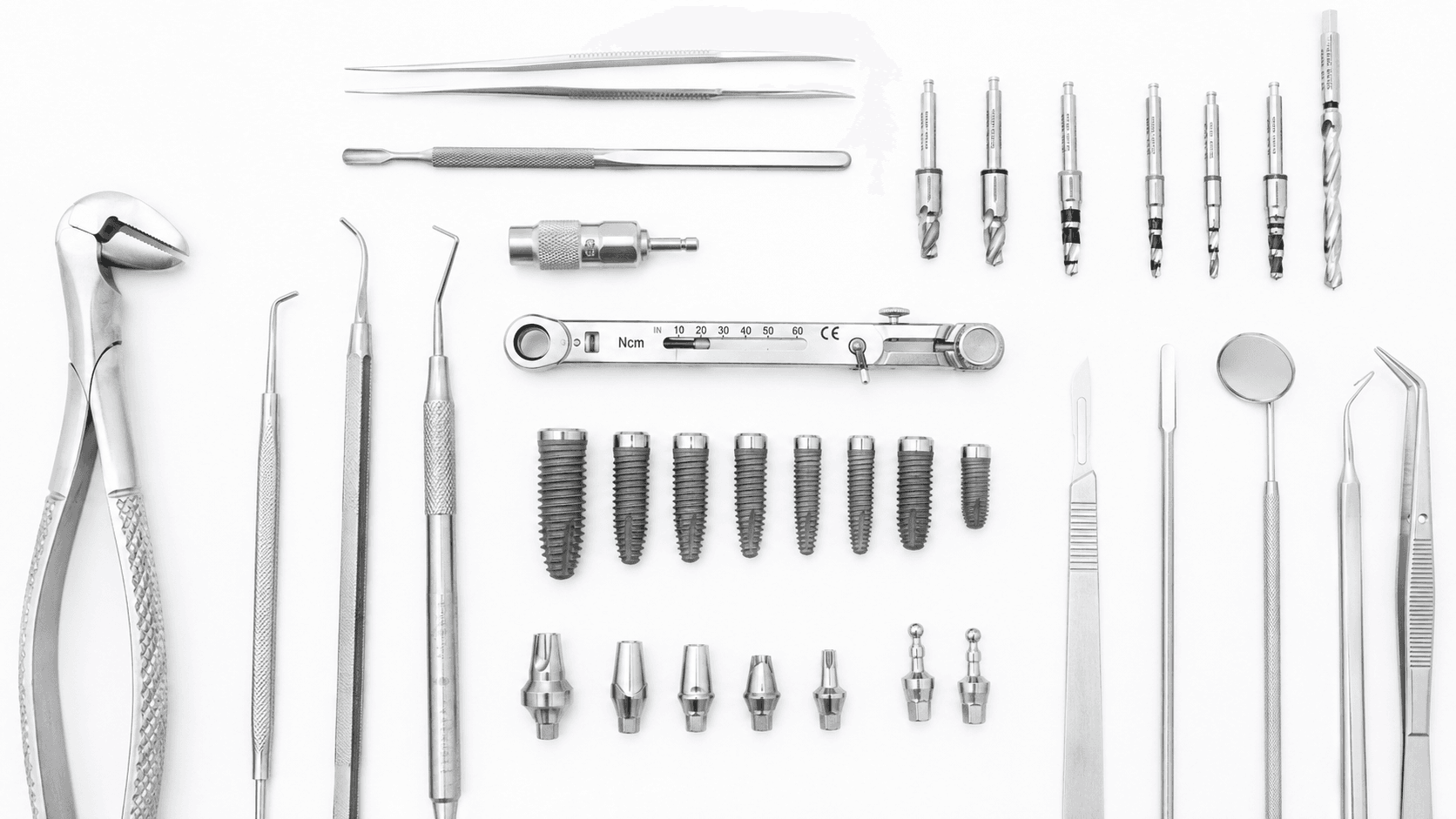
Clinical Armamentarium Used
Every resident personally handles full hospital-grade instrumentation during this module, moving beyond observation into tactile mastery:
- Surgical implant motor with contra-angle reduction handpiece (20:1)
- Complete surgical cassette: pilot, twist, shaping drills, countersinks, and screw taps
- Atraumatic micro-surgical instruments: micro-blade holder, periosteal elevators (Prichard/Molt), Castroviejo needle holders
- Torque ratchet handpieces with calibrated Nm dials (15–50 Ncm)
- Monofilament (PTFE, 5-0 / 6-0 polypropylene) and braided absorbable sutures
Only 10 Seats.
Is yours one of them?
Live Surgery from Day 1. NABH-accredited facility. Real patients, not mannequins.
Global Dental Education · Visakhapatnam, India