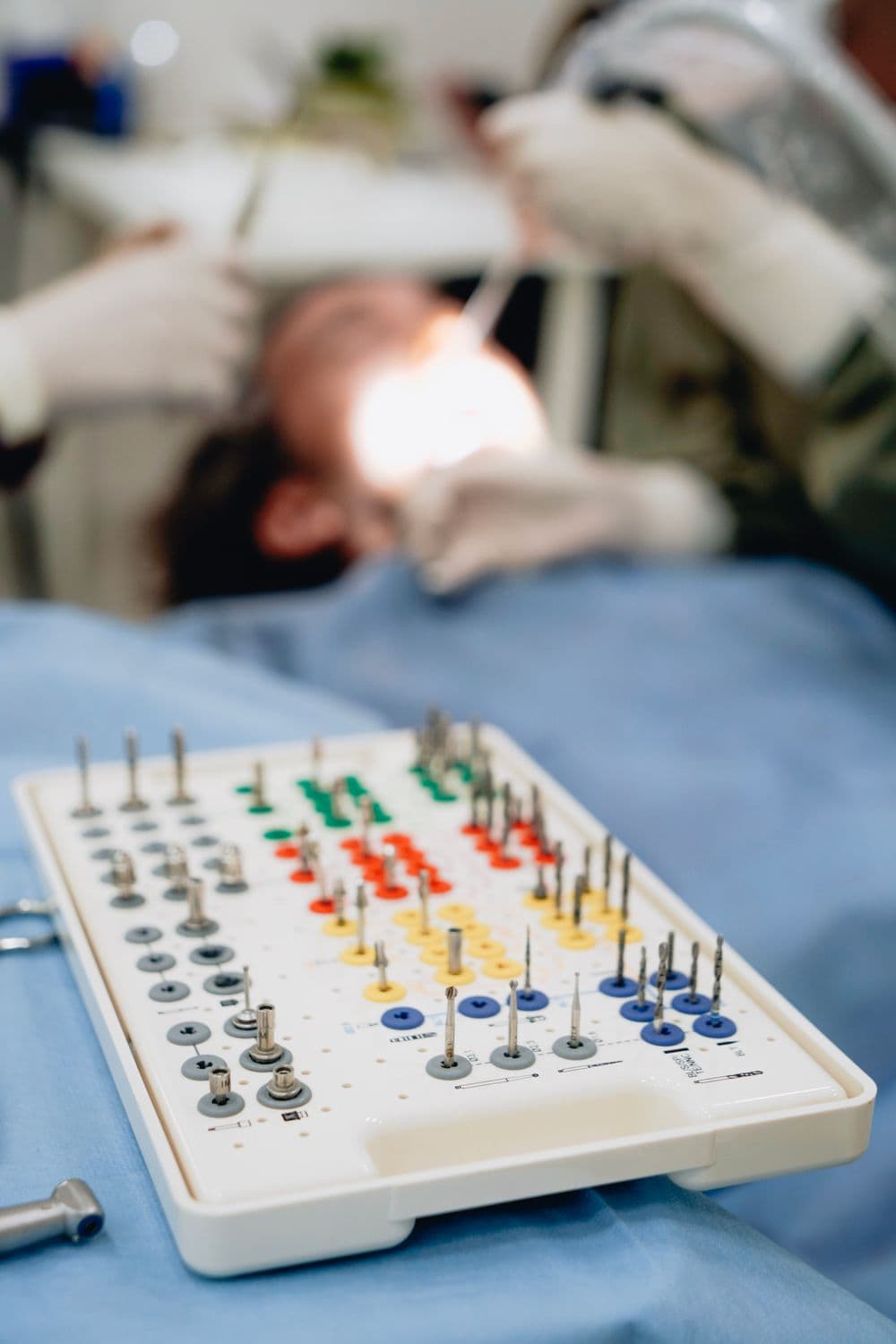
Short answer: the five short-term clinical courses that add the most to a BDS dentist's daily practice are implantology, endodontics (rotary and microscope), clear aligners, aesthetic dentistry and minor oral surgery. Pick the one that matches the cases already walking into your clinic, and pick a course where you treat real patients, not only models.
Every year more BDS graduates write NEET MDS than there are MDS seats. If you did not get a seat, or you do not want three more years away from practice, a short clinical course is the fastest way to add a skill patients will pay for. This guide is written for that dentist.
Which courses can you do after BDS other than MDS?
These are the five clinical areas where short courses are common in India, and where a general dentist can legally and practically add the work to a clinic:
| Course area | What you add to your clinic | Suits you if | Key thing to check |
|---|---|---|---|
| 1. Implantology | Replacing missing teeth with implants, from single posterior teeth upward | You see missing-tooth patients every week and refer them out | How many implants you place yourself, on real patients |
| 2. Endodontics | Rotary RCT, retreatment, working under a microscope | Most of your chair time is already root canals | Whether you finish complete cases, not only extracted teeth |
| 3. Clear aligners | Mild crowding and spacing cases with aligner systems | Adults in your area ask about straightening without braces | Whether it teaches case selection and when to refer to an orthodontist |
| 4. Aesthetic dentistry | Smile design, composite bonding, veneers | Your patients are urban and appearance-driven | Hands-on time on real teeth, not just lectures and photos |
| 5. Minor oral surgery | Surgical extractions, impacted third molars, flaps and suturing | You refer out every impaction today | Supervised cases on patients and complication training |
Global Dental Education teaches only the first two: implantology and endodontics. The other three are worth doing elsewhere if they fit your practice better.
1. Implantology: the most asked-about course after BDS
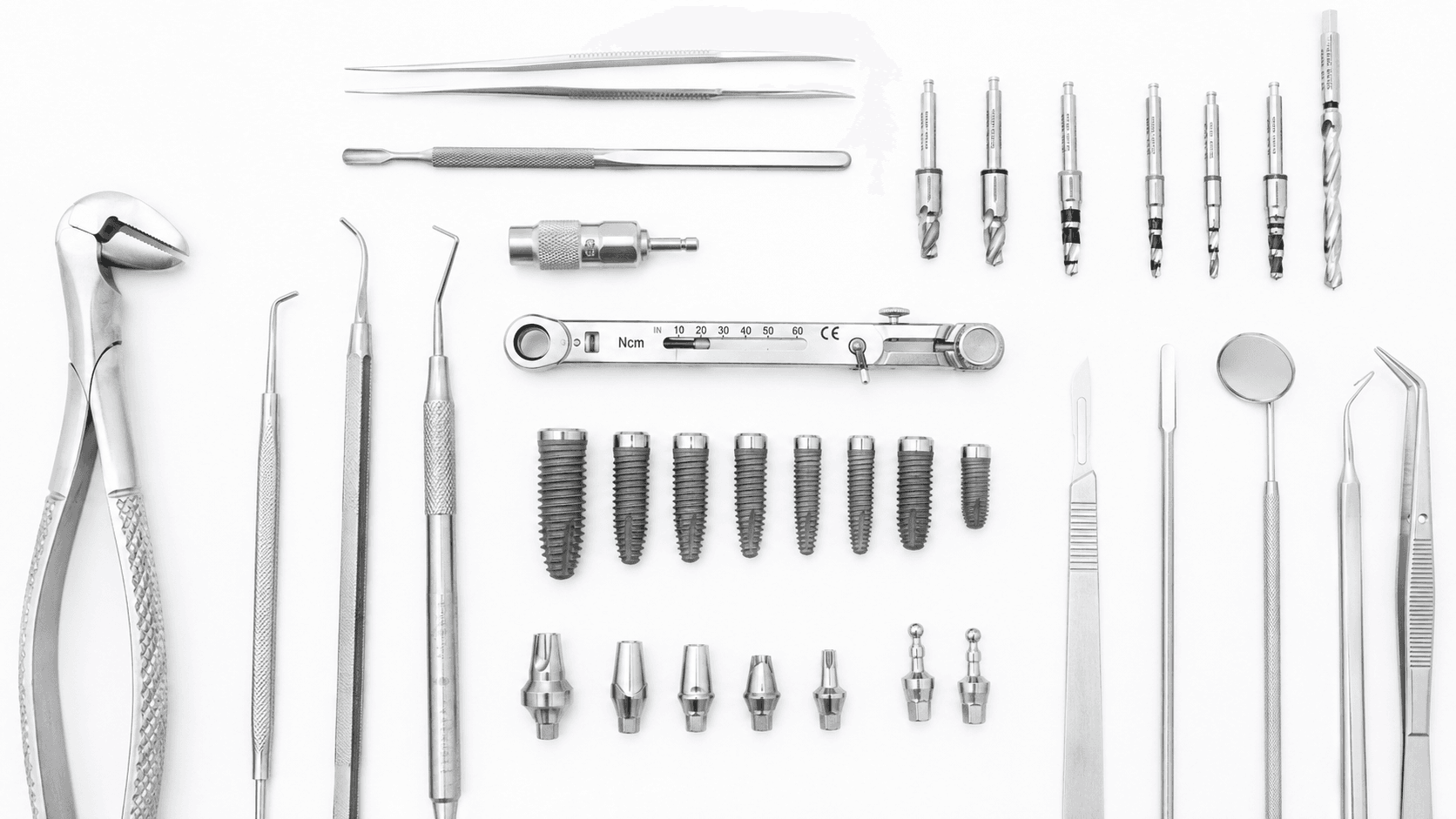
Implants are legal for a registered BDS dentist to place. We explain the law in Can a BDS doctor do dental implants in India? The real question is competence, and that comes from placing implants under supervision.
Implant courses come in very different shapes: weekend workshops on plastic jaws, short hands-on programs, and residential programs lasting months. The single most useful thing to ask is: how many implants will I place myself, in real patients, with a mentor beside me? Our article on why most implant courses fail you explains why model-only training rarely leads to implants in your own clinic.
At GDE the options are a 5-day Basic Implant Dentistry program, a 5-day advanced program, a 6-day fellowship, and a 3-month residential program with 15 to 20 supervised placements. Batches are capped at 10 dentists.
2. Endodontics: the course that pays back fastest
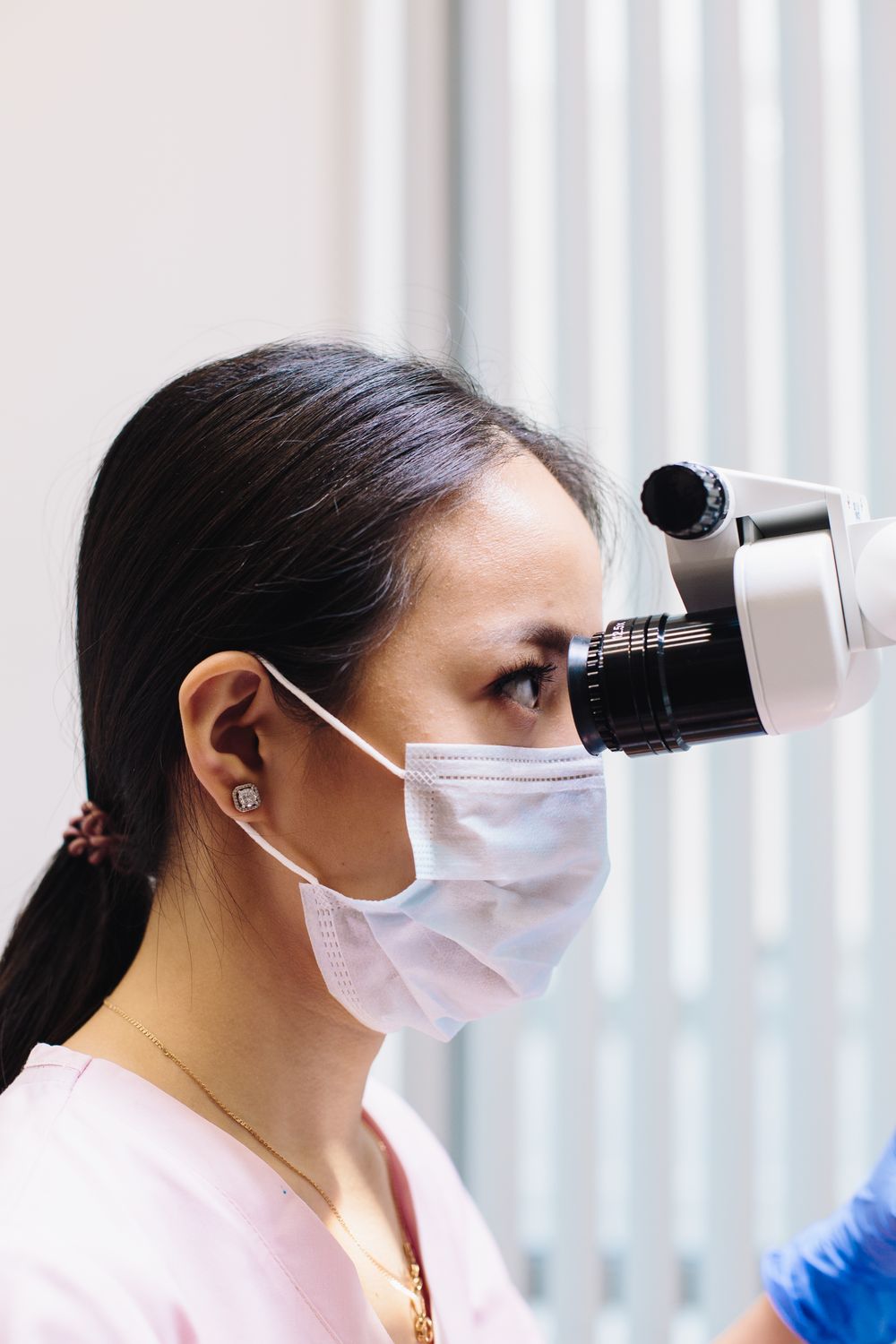
Microscope work is a skill of its own: most short endo courses either teach it properly or skip it.
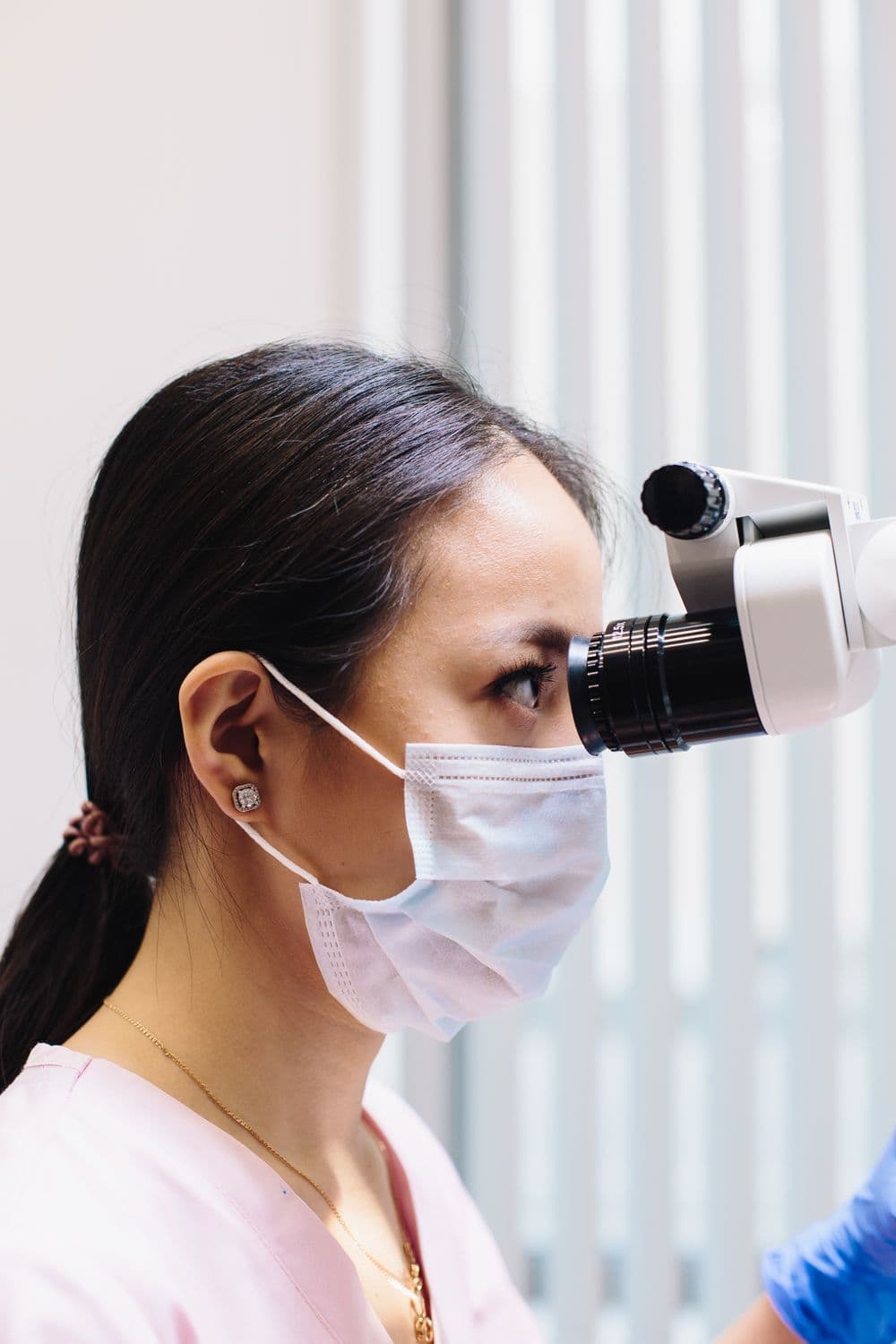
Root canals are already the backbone of most general practices. A good endo course makes them faster and more predictable: rotary file systems, working length, irrigation, retreatment, and for some, the operating microscope.
Check whether you complete full cases on patients or only work on extracted teeth in a block. Our comparison of endodontics fellowships vs hands-on training goes into this in detail. GDE's 3-month Endodontics program is residential and patient-based.
3. Clear aligners: high demand, high need for case selection
Aligner companies and private academies run certification courses for general dentists. They are short and the demand from adult patients is real. The risk is taking on cases that need an orthodontist. A good course spends as much time on which cases not to take as on the software.
4. Aesthetic dentistry: smile design and bonding
Aesthetic courses range from short workshops to fellowships of several months. They teach shade matching, composite layering, veneers and smile design. Look for courses where you work on real teeth and get feedback on your own work, not only before-and-after slides.
5. Minor oral surgery: stop referring every impaction
Surgical extractions and impacted third molars are among the most common referrals a general dentist makes. A minor oral surgery course teaches flap design, bone removal, sectioning, suturing and managing complications. Flap and suturing skills also carry straight into implant work.
Is a certificate course recognised by the Dental Council of India?
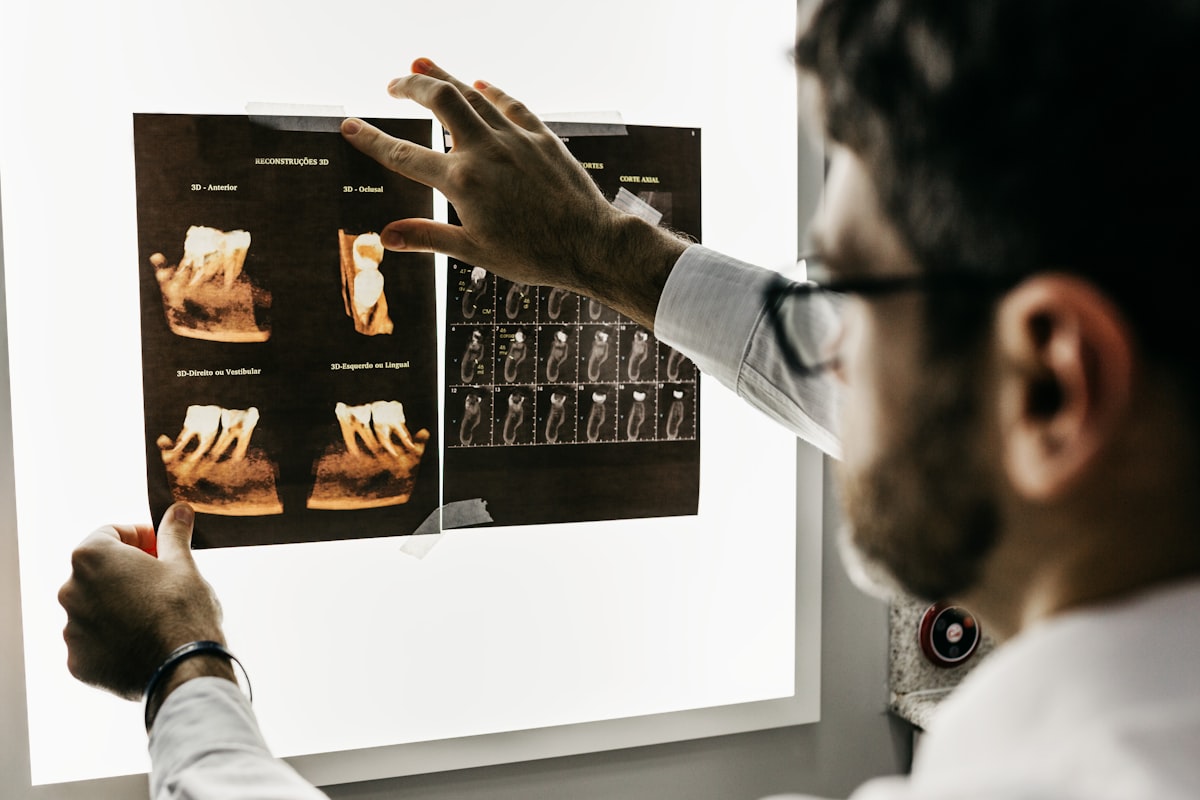
A short course gives you a skill. It does not give you a new registrable degree.
Be clear about what you are buying. A private short course is skill training, not a registrable qualification like an MDS:
- Clause 3.4.2 of the former Dental Council of India's Revised Dentists (Code of Ethics) Regulations, 2014 allowed a dentist to show after their name only Council-recognised degrees, or certificates and fellowships "conferred by recognized Universities / recognized bodies approved by the Council." Most private course certificates do not meet that test.
- In April 2018 the Dental Council of India warned state governments and state dental councils about unauthorised dental courses, and said running illegal courses could attract Sections 51 and 52 of the Dentists Act, 1948.
Law changed on 19 March 2026. The Dentists Act, 1948 was repealed and the Dental Council of India dissolved under S.O. 1445(E) and section 58(1) of the National Dental Commission Act, 2023. Section 59(2) continues the old Act’s educational standards, requirements, rules and regulations until replacements are specified under the new framework. Check how any certificate may be shown after your name with your State Dental Council. Our guide to the Dr title in 2026 lists the primary sources.
So judge a course by what your hands can do afterwards, not by the title on the certificate. Be careful with any course that promises a "degree" or a title you can put on your signboard.
How do you choose between them?
- Look at your last month of patients. Count how many you referred out, and for what. That list is your course.
- Ask how many cases you will do yourself. Get the number in writing: implants placed, canals completed, third molars removed.
- Ask who supervises you. An operating clinician beside your chair, or a lecturer on a stage?
- Ask about batch size. In a batch of 40, few people get real chair time.
- Ask what happens after the course. Can you call your mentor about your first solo case?
Still studying for NEET MDS while you decide? Our free Student Hub has a daily clinical case and practice questions in implantology and endodontics.
Talk to us before you decide
If implantology or endodontics fits your practice, look at our upcoming batches or message us on WhatsApp. If another course suits you better, we will tell you that too.